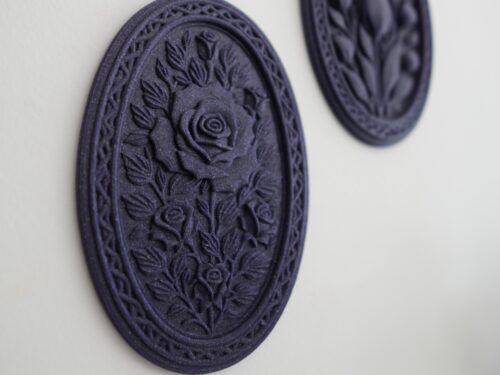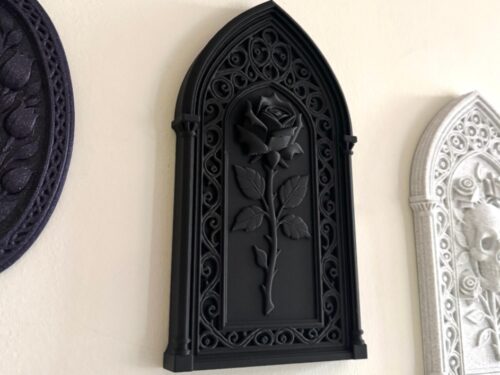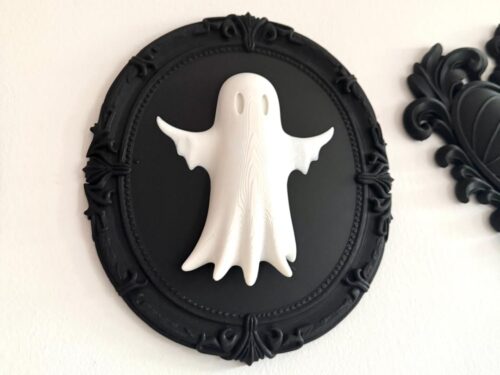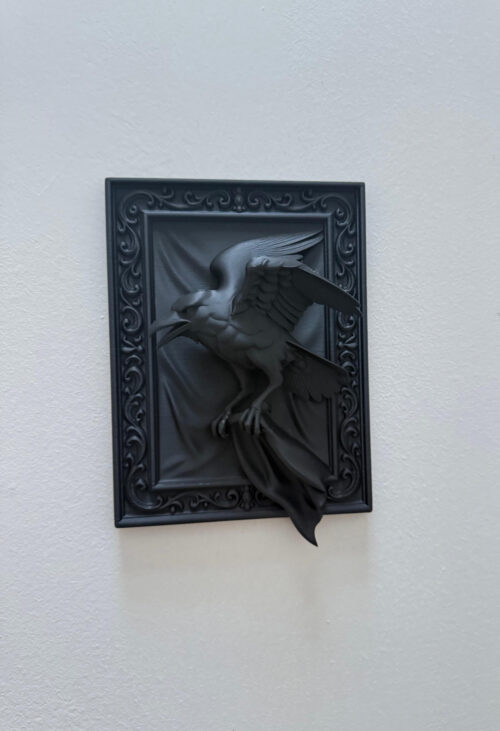

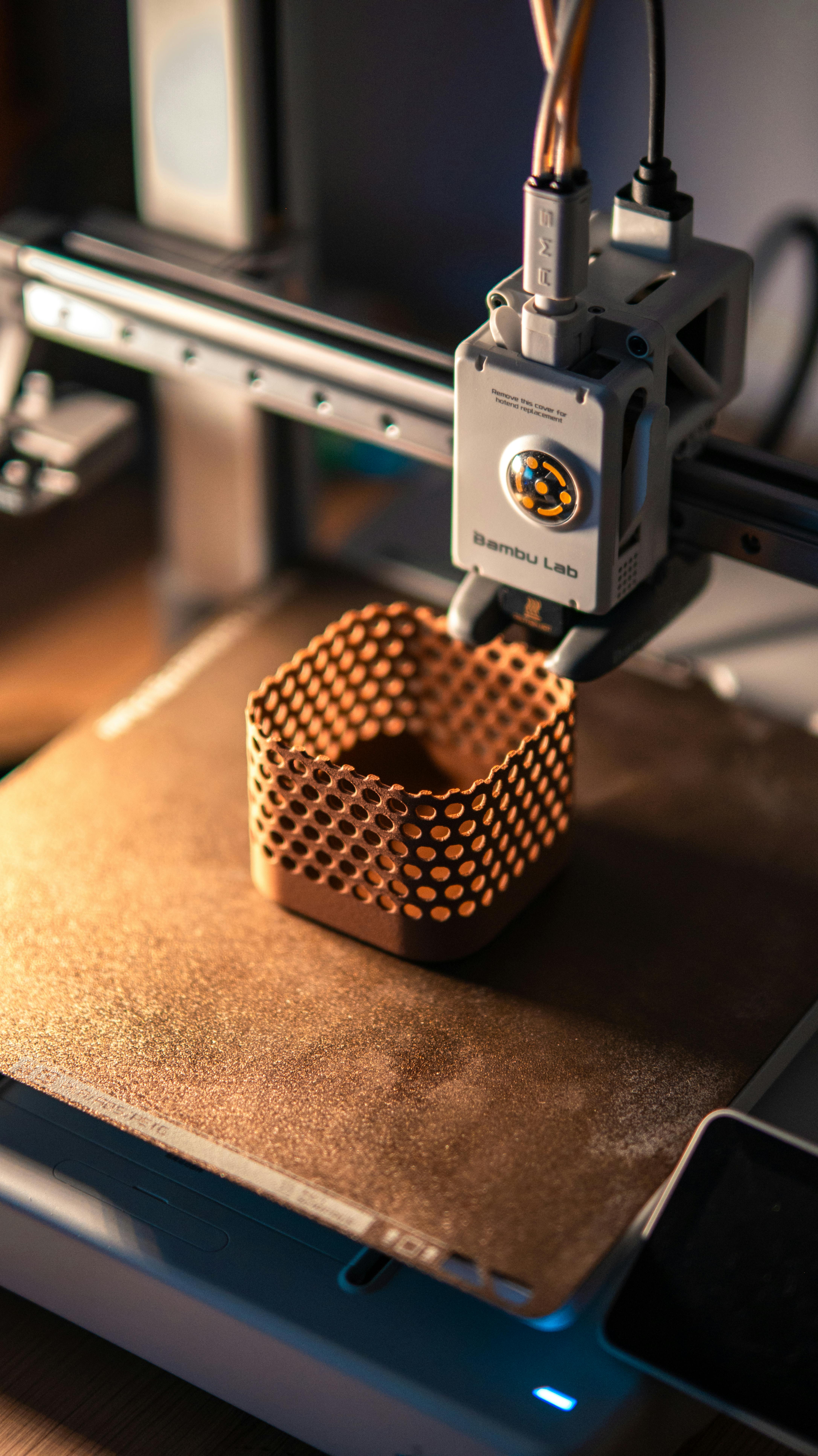
Sustainability has become a defining theme in modern living — not only in how we eat, shop, and travel, but in how we decorate our homes. At Ant & Grace, sustainability is woven directly into the way we create. 3D printing isn’t just innovative; it’s surprisingly environmentally friendly. Today, we’re exploring how 3D printing contributes to sustainable design, and why it matters for the future of home décor.
Sustainability Begins with Materials
Unlike traditional décor materials such as ceramic, resin, or metal, 3D printing uses PLA — a biodegradable, plant-based plastic derived from renewable sources like corn starch and sugarcane.
PLA is:
-
biodegradable under industrial conditions
-
made from renewable resources
-
low-toxicity
-
eco-friendly to manufacture
-
lightweight and strong
Using PLA allows us to create decorative pieces without relying on petroleum-based plastics or heavy industrial processes.
Additive Manufacturing Means Minimal Waste
Traditional crafting methods often involve removing material — carving, cutting, sanding. This produces waste, leftover scraps, and excess materials that end up discarded.
3D printing takes the opposite approach.
It is additive, not subtractive.
The printer uses only the exact amount of material needed to build the design. No overflow, no cut-offs, no bins of useless scraps.
Every layer has a purpose.
Every gram of filament becomes part of the finished piece.
This is one of the core reasons that 3D printing is considered a more sustainable form of manufacturing.
Print-on-Demand Prevents Overproduction
The décor industry often relies on mass-produced stock, warehouses full of items, and predictions about what customers “might” buy. Many of those items remain unsold and are eventually discarded.
At Ant & Grace, we print on demand.
Nothing is made until someone wants it. This means:
-
no wasteful overproduction
-
no storage of unsold goods
-
no piles of unused stock
-
no landfill contribution from unsold décor
Every piece has a home waiting for it.
Energy-Efficient Production
3D printing uses far less energy than industrial manufacturing methods. There are no high-temperature kilns, heavy stamping machinery, or large production lines.
Most printers run at low power consumption and produce very little heat.
This results in:
-
lower energy usage
-
fewer emissions
-
a significantly reduced environmental footprint
And because our business model is small-batch and intentional, we operate with minimal environmental impact.
Lightweight Products = Lower Carbon Footprint
One of the often-overlooked benefits of 3D-printed décor is its weight.
A ceramic vase takes high energy to fire and is heavy to ship.
A resin statue is dense, heavy, and environmentally harmful.
A metal sculpture is heavy, energy-intensive, and costly to transport.
Our pieces are lightweight yet durable.
This means:
-
lower shipping emissions
-
reduced packaging waste
-
easier transportation
-
fewer materials required to protect items in transit
Even this small change contributes meaningfully to a greener business model.
Durable by Design
PLA may be lightweight, but it is surprisingly resilient.
Our pieces are designed for long-term use in homes — durable, sturdy, and resistant to cracking under normal conditions. Long-lasting décor reduces waste by eliminating the need for frequent replacements.
And if a piece is dropped or damaged, it can often be repaired or reprinted rather than discarded — another advantage that traditional décor materials rarely offer.
Customisation That Reduces Waste
One of the biggest sources of décor waste in the industry comes from mismatches — items that are too big, too small, the wrong colour, or not quite right for a customer’s space.
3D printing solves this beautifully.
Because pieces can be:
-
resized
-
recoloured
-
personalised
-
duplicated
-
adjusted
Customers receive pieces that fit their homes perfectly.
Fewer returns. Fewer mismatches. Less waste.
Sustainable Doesn’t Mean Plain
There is a misconception that eco-friendly décor must look plain or minimalist. But sustainability does not limit creativity — in fact, it expands it.
At Ant & Grace, we use 3D printing to create pieces that are:
-
gothic and dramatic
-
modern and sculptural
-
detailed and artistic
-
elegant and atmospheric
All without compromising sustainability.
Eco-elegance is about creating décor that feels beautiful, expressive, and high-quality — while still respecting the planet.
Why Sustainable Décor Matters
As society becomes more environmentally conscious, our homes are beginning to reflect those values. People want décor that feels meaningful, unique, and responsible.
Sustainable décor:
-
reduces waste
-
supports renewable materials
-
lowers carbon footprints
-
aligns with mindful living
-
brings beauty without compromise
And 3D printing offers a path to achieve all of this.
A Greener Future—One Print at a Time
3D printing is more than a creative tool; it is a movement toward a cleaner, smarter way of making. At Ant & Grace, every print is an opportunity to create something beautiful while reducing our environmental impact.
Sustainable décor doesn’t mean doing without.
It means doing better.
And with 3D printing, the future of décor can be artistic, expressive, modern — and kind to the planet.
Leave your comment
Related posts

As we reach the end of the year, we wanted [...]
Every piece that leaves the Ant & Grace studio begins [...]
Gothic design holds a unique place in the world of [...]